









+237 693 355 990
We are a company that offers a design and build services for you from initial Sketches to the final construction.
Welcome to [Your Company Name], building safe, reliable, and innovative spaces. From site surveys to handover, we craft quality results on time..
Discover MoreSmall Projects
Counter Text Here
Employees
Giant Projects
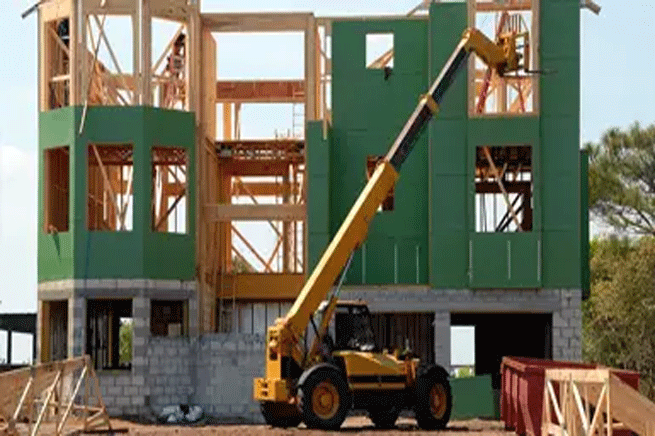
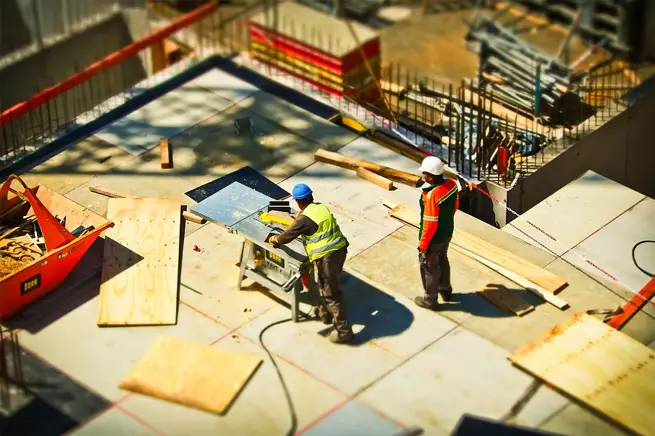
Purpose: Erect safe, functional structures from design to occupancy.
Phases: Planning, design, permitting → site preparation → foundation → framing → enclosure → interior finishes → commissioning.
Key Aspects: Structural integrity, moisture control, fire safety, and accessibility.
Materials: Concrete, steel, timber, masonry; consider sustainability and lifecycle.
Quality & Schedule: Adherence to codes, quality control, risk management, and progress tracking.
Safety: Site hazards, PPE, and training throughout.
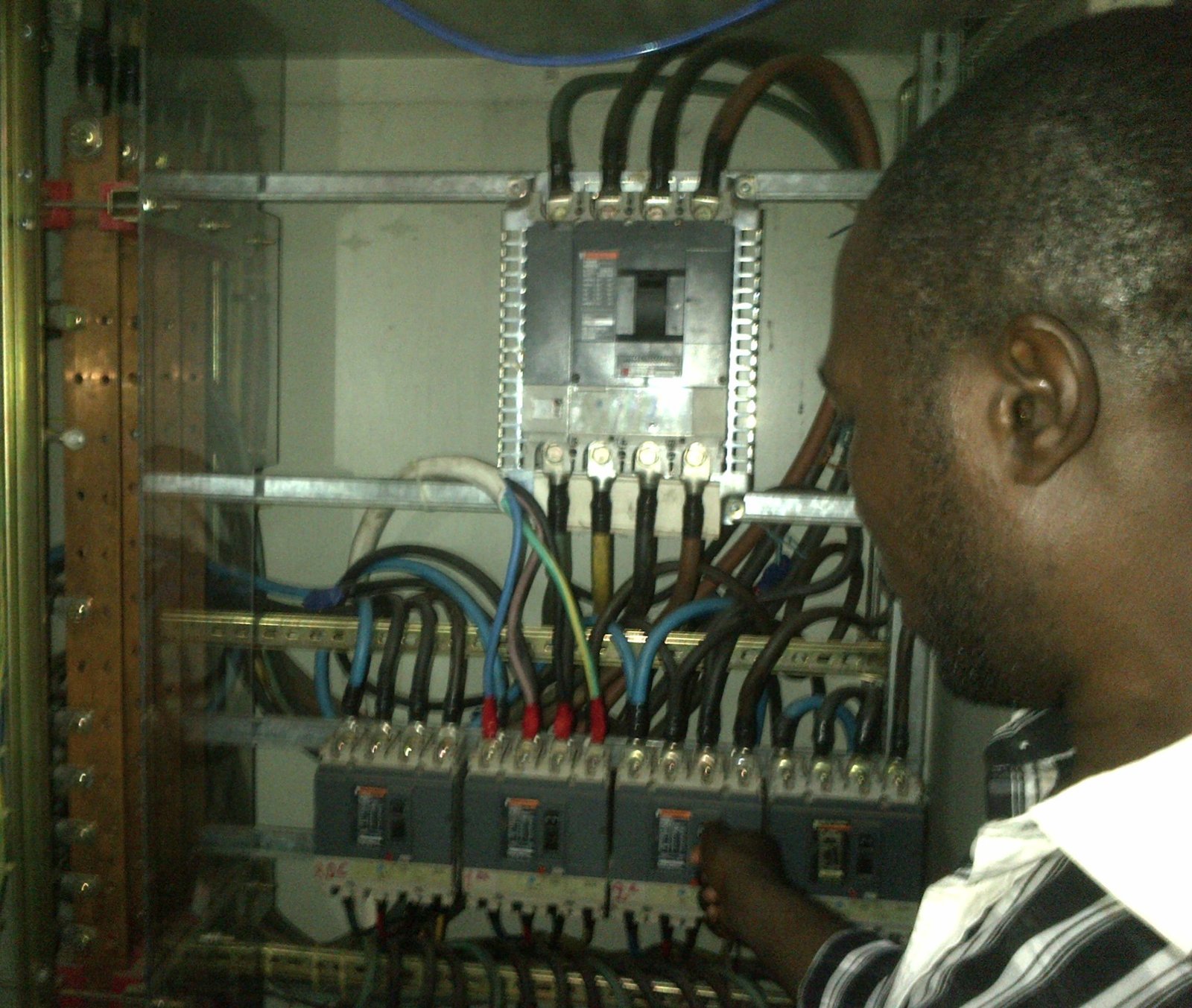
Electric systems power buildings safely and efficiently. Key areas include wiring design, circuit protection, grounding, and load calculations. Planning covers lighting, receptacles, switches, and control systems; energy management via smart meters and occupancy sensors; and coordination with other trades to avoid clashes. Safety is paramount: follow electrical codes, lockout/tagout procedures, proper insulation, and GFCI/AFCI protections. Maintenance involves routine testing, panel servicing, and replacement of aging components. Emphasize reliability, energy efficiency, and future-proofing with scalable layouts.
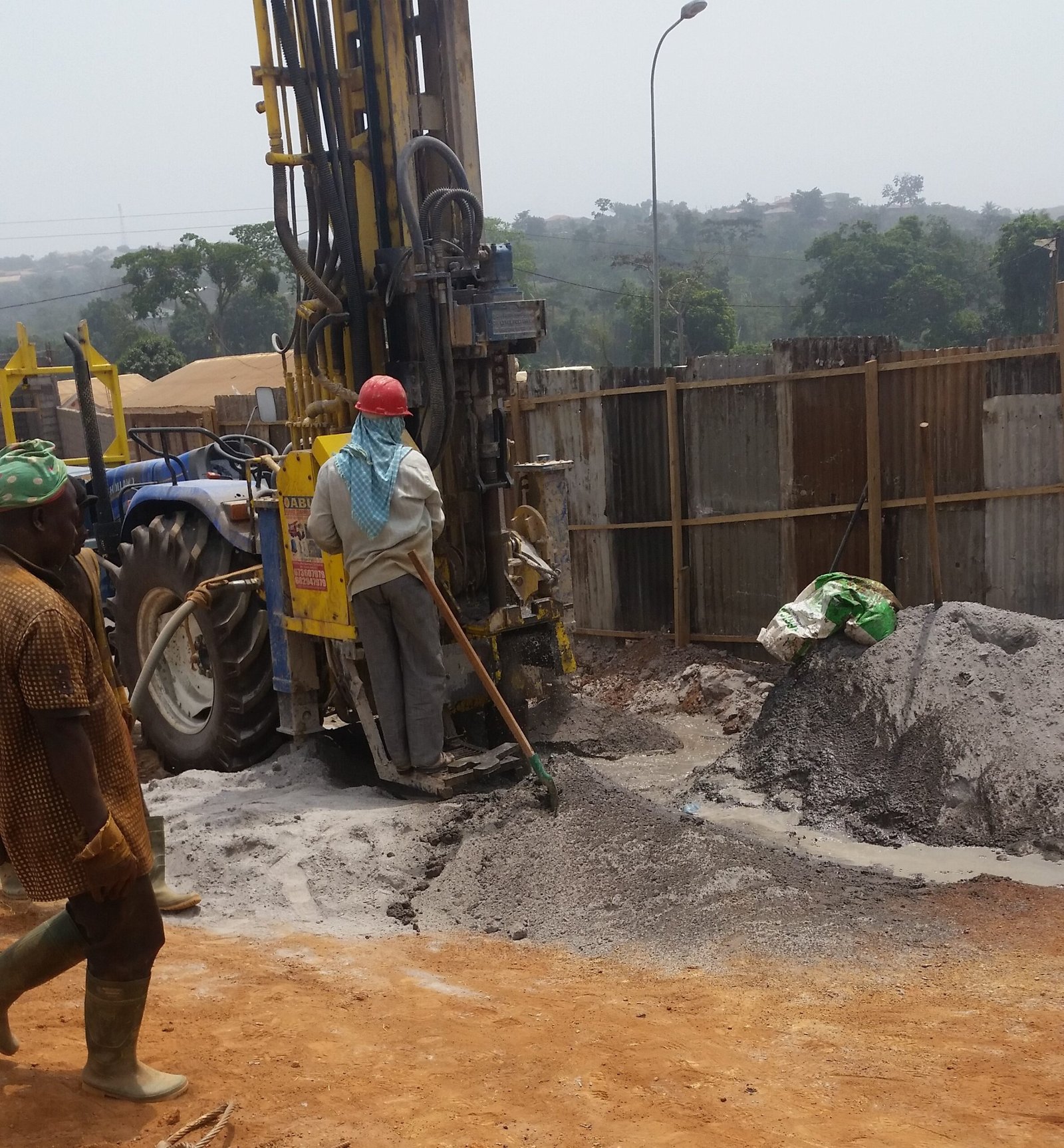
Purpose: Access subsurface water, minerals, or geotechnical samples; used for water supply, monitoring, or exploration.
Process: Site survey → rig setup → drilling (rotary/auger) → casing and screen installation → grouting → pumping test or sampling.
Key Considerations: Borehole stability, contamination prevention, casing depth, yield estimation, and compliance with permits and environmental regulations.
Safety: Risk assessment, PPE, ventilation, and proper equipment maintenance.
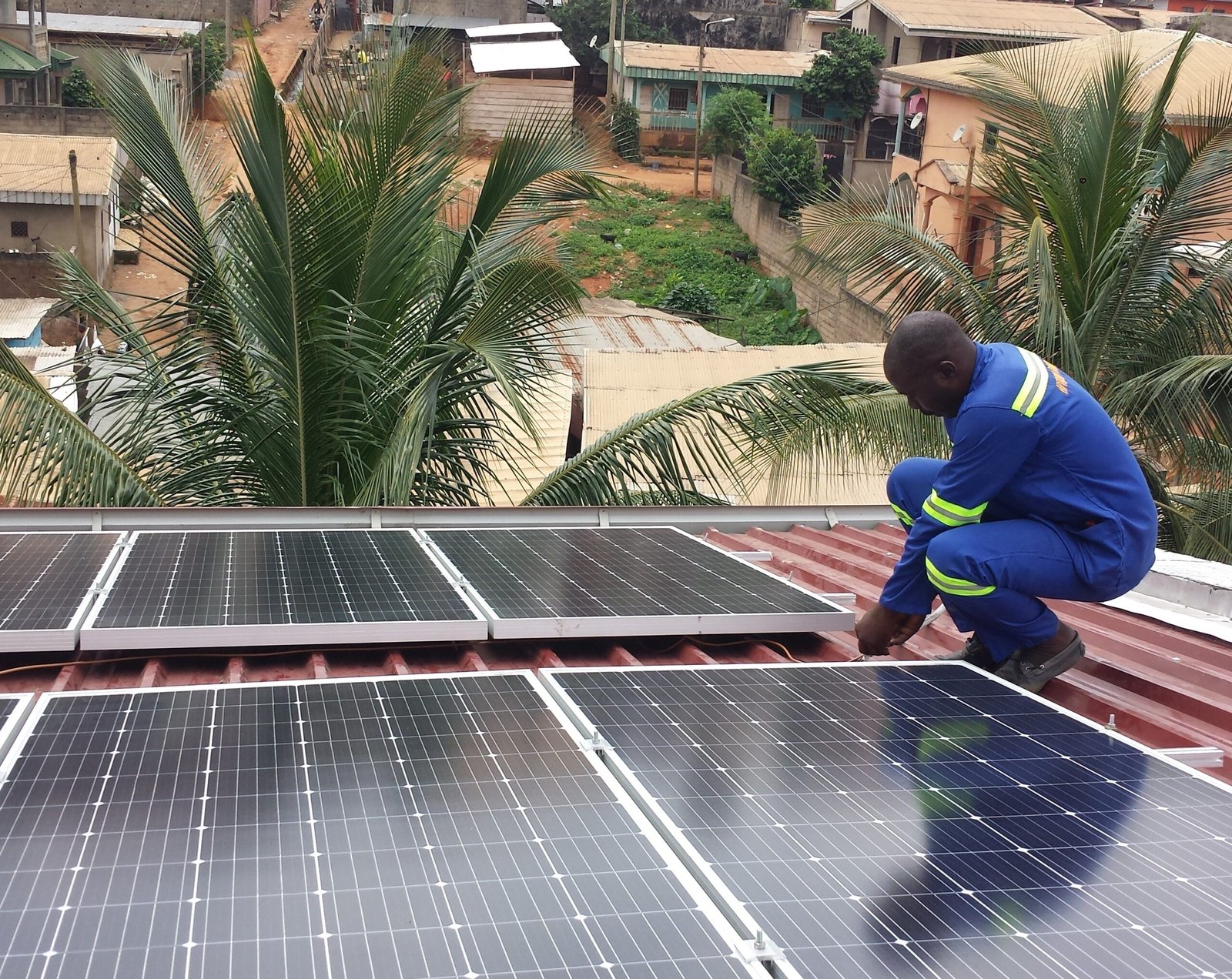
Purpose: Convert sunlight to electricity for homes or facilities; supports grid-tied or off-grid systems.
Key Components: PV panels, inverter, mounting, battery storage (optional), and monitoring.
Design Considerations: Sun exposure, tilt angle, shading, system sizing, and efficiency losses.
Installation Steps: Site assessment → structural mounting → electrical wiring → inverter/battery setup → commissioning and monitoring.
Safety & Compliance: Electrical codes, junction protection, and proper labeling.
Glass works involve glazed assemblies, facades, and interior glass features. Essential aspects: material selection (tempered, laminated, or insulated glass), safety glazing, and weather sealing. Design considerations include loads, acoustics, and thermal performance. Installation requires precise glazing channels, shims, glazing compounds, and secure fixing. Sealing and edge protection prevent leaks and damage. Maintenance covers cleaning, coating protection, and monitoring for delamination or cracks. Emphasize aesthetics, daylighting, and structural compatibility with surrounding materials.
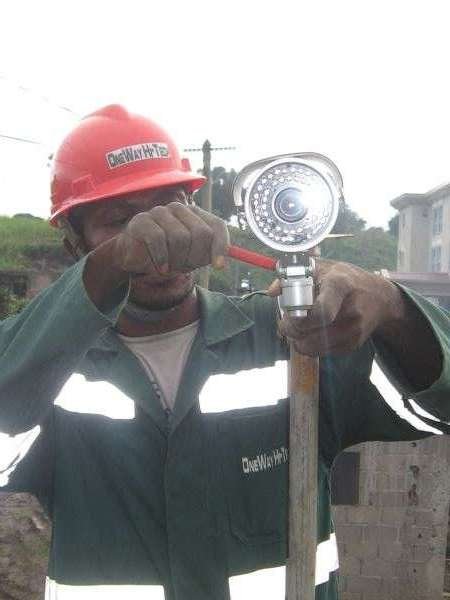
Purpose: Provide surveillance and deterrence; protect assets and people.
Key Considerations: Coverage areas, camera type (analog vs. IP), resolution, frame rate, and low-light performance.
Installation Steps: Site survey → mounting hardware → camera placement with proper angles → cabling or network wiring → power supply and PoE if applicable → network configuration.
Safety & Compliance: Electrical safety, data privacy, and local regulations.
Maintenance: Cleaning lenses, updating firmware, and checking recording storage.
Lorem Ipsum is simply dummy text of the printing and typesetting industry.